Proofreading Checklist for Kids
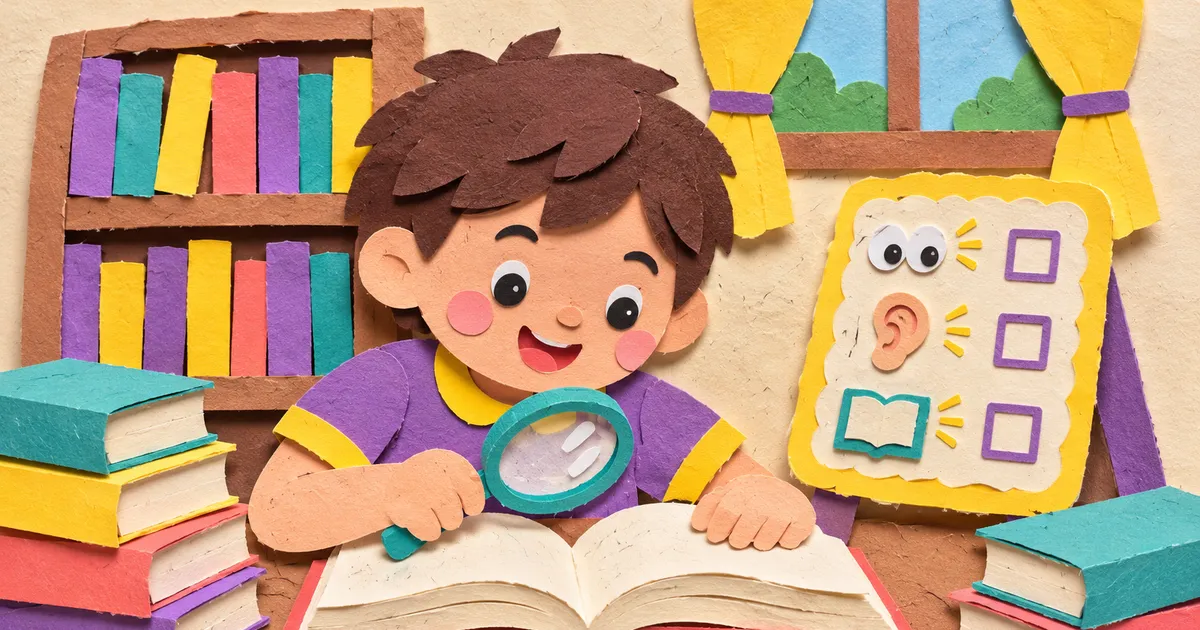
Proofreading is a final check for errors in meaning, grammar, spelling, punctuation, and layout. This Proofreading Checklist for Kids: A Practical Guide gives children an order to follow instead of asking them to “check everything.” A child reads the whole piece, then checks one feature at a time. Younger children may review two or three sentences with an adult, while older learners can edit a full paragraph alone. The goal is to notice patterns, make sensible corrections, and submit writing that conveys the intended meaning.
📥 Proofreading Checklist for Kids
A simple routine for checking and improving your own writing.
Leave your email — we'll send the PDF to your inbox.No spam — the PDF plus one short reminder. Unsubscribe anytime.
What Proofreading Means for a Young Writer
Writing and proofreading are different jobs. While writing, a child develops ideas and turns them into sentences. While proofreading, the child becomes a careful reader. Combining both jobs can interrupt ideas, so children should finish a short draft before checking it.
The Proofreading Checklist for Kids: A Practical Guide separates proofreading from major rewriting. If a paragraph lacks a key idea, the child revises it first. Proofreading follows: checking complete sentences, subject–verb agreement, spelling, and punctuation.
Children need to know that correction is not punishment. It shows they can review their choices. Across LearnLink lessons, our tutors treat errors as clues to rules that need another example, a brief explanation, or more practice.
A Step-by-step Checklist That Children Can Follow
Start with meaning. Ask the child to read the draft once without a pencil. Can they explain the main point in one sentence? Does each sentence belong? Correct grammar cannot rescue a paragraph with a missing idea or confusing order.
Next, make slow passes through the text. The Proofreading Checklist for Kids: A Practical Guide works best when each pass has one purpose. Searching for every error at once strains attention and hides small mistakes.
A child need not complete every pass in one sitting. A five-year-old might check capitals and full stops with an adult. A nine-year-old can add spelling and verb checks. Older learners can use all six passes and record repeated errors.
Checking Sentences and Grammar
Find the verb in each sentence, then ask who or what performs the action. In “The dogs runs outside,” the plural subject dogs needs run. In “My sister and I is ready,” the combined subject needs are. Marking subjects and verbs with different colours makes agreement visible.
Check time next. A child may move from past to present without reason: “We walked to the park and play football.” The correction is “We walked to the park and played football.” Deliberate time changes are fine when readers can follow them.
Give pronouns and complete sentences a separate pass. “Because the rain was heavy” leaves the reader waiting for a result. “We stayed inside because the rain was heavy” completes the thought. Check whether he, she, they, and it point to a specific person, group, animal, or thing.
Checking Spelling, Punctuation, and Presentation
Children should not guess doubtful spellings. They can circle a word, say it slowly, find a known word family, then consult a suitable dictionary or spellchecker. Digital suggestions still require judgment: there, their, and they’re are real words, but only one fits the sentence.
For punctuation, read aloud and listen for sentence boundaries. Every sentence needs an appropriate ending mark, but every pause does not need a comma. Questions need question marks, names need capitals, and direct speech needs the style taught in the child’s school or course.
Finish with presentation. Check readable handwriting or correct spacing in typed text. Remove double spaces, repeated headings, and unfinished notes. After copying a corrected draft, compare it with the original; copying can introduce new errors.
Common Proofreading Mistakes
The most common mistake is reading too quickly. The brain knows the intended meaning and may supply a missing word. Reading aloud, pointing to each word, or reading sentences from the end slows the eyes. Reading backwards helps with spelling, not meaning.
Another mistake is changing sentences until the child no longer recognises the draft. Adults can ask focused questions: “Where does this sentence end?” or “Which verb shows that this happened yesterday?” The Proofreading Checklist for Kids: A Practical Guide should build independence, not turn an adult into a replacement writer.
Children may trust software without reviewing its choice. Spellcheckers flag possible issues but cannot always identify the intended meaning. Accept a change only when the child can explain how it improves the sentence. Otherwise, ask for help or consult a trusted reference.
Practice Activities at Home or in Lessons
Short practice lets children focus on one editing skill. Begin with two or three sentences, then increase the length as the routine becomes familiar. Keep the original visible so the child can compare versions and name each change.
Find and Fix Six Errors
Correct this text: “last saturday we visits our cousins. They lives near a lake and has two dog.” Suggested correction: “Last Saturday we visited our cousins. They live near a lake and have two dogs.” Ask the child to explain the capital letter, past-tense verb, subject–verb agreement, and plural noun changes.
After the child finds prepared errors, use their own writing. Choose one paragraph and mark each completed checklist pass with a tick. The marks turn proofreading into a visible process instead of a vague request for greater care.
Choose the Correct Sentence
For each pair, choose the correct version and give the rule: “She walk to school” or “She walks to school”; “We played outside yesterday” or “We play outside yesterday”; “Where is my coat.” or “Where is my coat?” Then write one new example for each rule.
For multilingual children, an error may reflect a rule from another language. Do not call it careless. Compare the patterns and state the English rule plainly. The Proofreading Checklist for Kids: A Practical Guide becomes a tool for understanding languages, not judging which language is better.
Building an Independent Proofreading Routine
Keep the checklist in one place and follow the same order. Predictability preserves attention for writing. Younger children can use symbols: an eye for meaning, a clock for tense, “ABC” for spelling, and a dot for punctuation. Older children can list recurring errors.
Keep adult feedback manageable. If a draft contains many issues, choose one or two patterns tied to the child’s current learning. Correcting twenty unrelated details may clean the page but teaches little. A focused second draft builds stronger habits.
The routine works when the child can explain each check and correction. The Proofreading Checklist for Kids: A Practical Guide can remain beside the page at first. Its questions gradually become habits: Does this make sense? Is the time consistent? Have our team checked the words and marks?
- Choose one short paragraph from an age-appropriate book for daily proofreading practice.
- Use a five-item proofreading checklist before correcting spelling or punctuation independently.
- Read each sentence aloud slowly, pausing at every punctuation mark.
- Circle two uncertain words, then check them in a children’s dictionary.
- Repeat this ten-minute routine three times weekly, celebrating one improvement afterward.
For reading and phonics support beyond the article examples, Scholastic Parents is a helpful independent resource for parents.
Frequently Asked Questions
At What Age Can a Child Start Proofreading?
A child can begin after writing short sentences. An early writer may check that a sentence starts with a capital, contains spaces, and ends with a full stop. Add checks as your child develops. The task should match their writing, not a fixed age.
Should a Parent Correct Every Error?
No. Choose errors connected to current lessons and leave less urgent points for another day. Ask a question or mark the line before giving the answer. If your child becomes tired or frustrated, model one correction, explain it briefly, and end with a step they can complete independently.
Can a Child Use a Spellchecker?
Yes, but a spellchecker should support judgment, not replace it. Ask your child to read each suggestion in the full sentence and explain the choice. Software may confuse similar-sounding words or names from different languages. Use a dictionary when a suggestion does not fit.
How Long Should Proofreading Take?
For a short paragraph, a few focused passes are enough. Divide longer work into sections or check it after a break. Stop when attention fades because rushed checking becomes guessing. Regular, brief practice works better than one long search for every possible fault.
How Should We Use This Checklist with Multilingual Children?
Use the Proofreading Checklist for Kids: A Practical Guide to compare patterns without treating another language as a problem. Ask what your child expected the English sentence to do, then show the relevant English form. Let them say the correction aloud and create a second example. This connects proofreading with language awareness and respects the languages they use.
If your child needs steady speaking practice, start small — choose a trial lesson.
Stay updated on our latest tips and resources by following us on Instagram LearnLink.